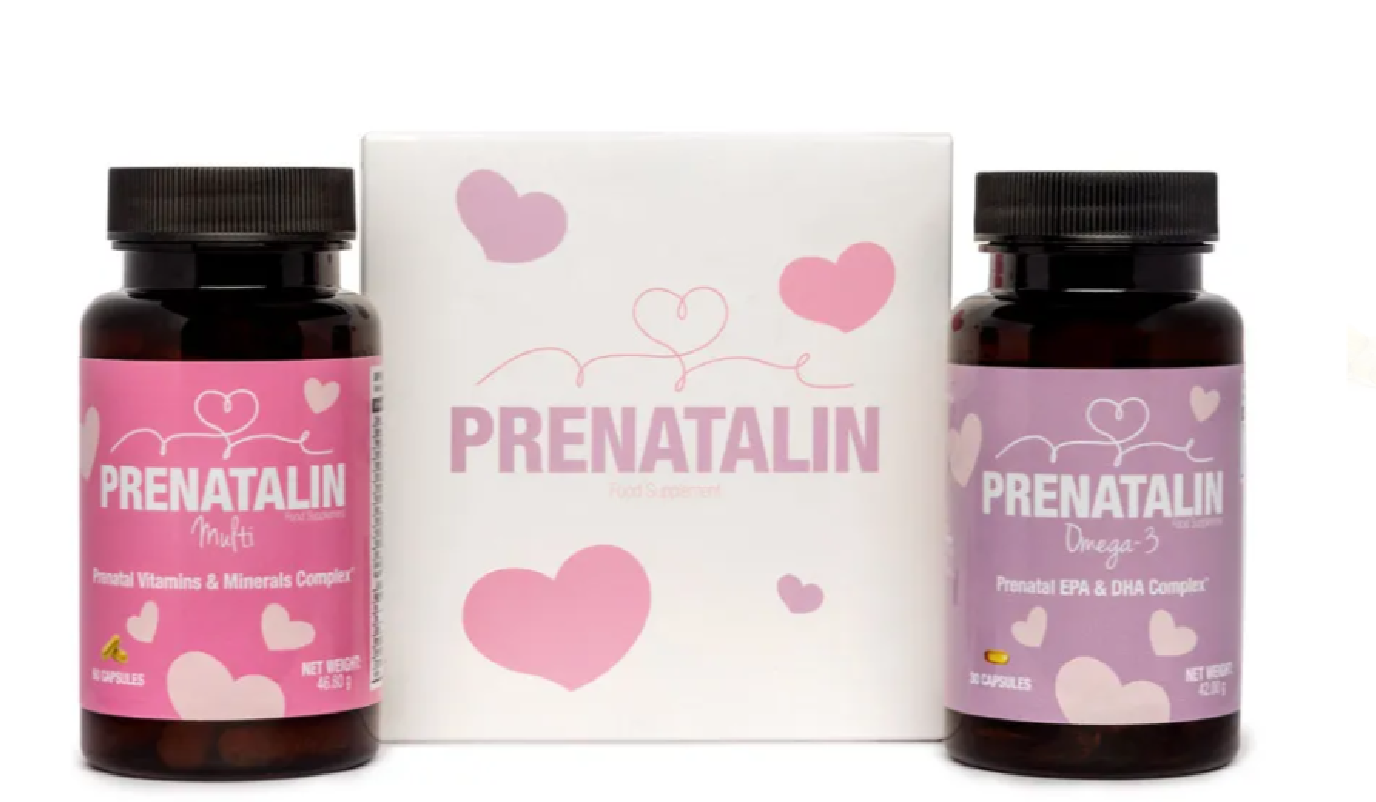
Prenatalin: Supporting Pregnancy and Fetal Development
Prenatalin is a comprehensive prenatal supplement designed to provide expectant mothers with essential nutrients to support a healthy pregnancy and the optimal development of their growing baby. This document explores the crucial role of prenatal nutrition, examines key ingredients in Prenatalin, and highlights its benefits for both mother and fetus.
Introduction to Prenatalin
Prenatalin is a specialized supplement formulated to meet the increased nutritional demands of pregnancy. It contains a carefully selected blend of vitamins, minerals, and other essential nutrients that are vital for supporting a healthy pregnancy and the development of a healthy fetus. This supplement aims to bridge the gap between dietary intake and the higher nutritional requirements during pregnancy.
Importance of Prenatal Nutrition
Pregnancy is a period of significant physiological changes, and it’s crucial for expecting mothers to consume a balanced and nutrient-rich diet to support their own health and the development of their growing baby. Prenatal nutrition plays a vital role in:
- Fetal growth and development, including brain, bone, and organ formation
- Maintaining maternal health and well-being, including energy levels and immune function
- Reducing the risk of pregnancy complications, such as preterm birth, low birth weight, and birth defects
Key Ingredients in Prenatalin
Prenatalin contains a carefully curated blend of essential nutrients that are vital for supporting a healthy pregnancy. These ingredients are included in specific amounts to address the unique needs of expecting mothers and their developing babies. Key ingredients include:
Folic Acid: Essential for Neural Tube Formation
Folic acid, a B vitamin, is crucial for cell division and growth, particularly during the early stages of pregnancy. It is essential for the proper development of the neural tube, which forms the brain and spinal cord of the fetus. Adequate folic acid intake can significantly reduce the risk of neural tube defects, such as spina bifida and anencephaly.
Vitamin B6: Supports Maternal and Fetal Health
Vitamin B6 is involved in numerous metabolic processes, including protein synthesis, red blood cell formation, and the production of neurotransmitters. During pregnancy, it plays a vital role in supporting both maternal and fetal health. Adequate intake of vitamin B6 can help prevent morning sickness, maintain healthy nerve function, and contribute to proper fetal growth and development.
Vitamin B12: Crucial for Cell Division and Growth
Vitamin B12 is essential for DNA synthesis, cell division, and the formation of red blood cells. During pregnancy, it is crucial for fetal growth and development, particularly for the development of the brain and nervous system. Insufficient vitamin B12 intake can lead to anemia and other complications, making it crucial to ensure adequate levels during pregnancy.
Iron: Prevents Anemia and Supports Oxygen Delivery
Iron is a key component of hemoglobin, a protein in red blood cells that carries oxygen throughout the body. During pregnancy, iron requirements increase significantly to support the growing fetus and the increased blood volume in the mother’s body. Adequate iron intake helps prevent iron deficiency anemia, which can lead to fatigue, shortness of breath, and other complications.
Calcium: Builds Strong Bones and Teeth
Calcium is a vital mineral for bone and teeth development. During pregnancy, the fetus draws calcium from the mother’s body to build its own skeleton. Adequate calcium intake is essential for both maternal and fetal bone health, helping to prevent osteoporosis in the mother and ensuring strong bone development in the fetus.
Magnesium: Regulates Muscle and Nerve Function
Magnesium is a crucial mineral involved in over 300 biochemical reactions in the body. During pregnancy, it plays a vital role in regulating muscle and nerve function, supporting blood sugar control, and helping to prevent preeclampsia, a serious condition that can occur during pregnancy.
Zinc: Enhances Immune Function and Tissue Repair
Zinc is a vital mineral for immune function, wound healing, and cell growth. During pregnancy, zinc requirements increase to support the developing fetus and the mother’s immune system. Adequate zinc intake can help enhance immune function, promote fetal growth and development, and support tissue repair.
Iodine: Critical for Thyroid Function and Brain Development
Iodine is essential for the production of thyroid hormones, which play a crucial role in fetal brain development and growth. During pregnancy, iodine requirements increase to support both maternal and fetal thyroid function. Adequate iodine intake is crucial for preventing iodine deficiency, which can lead to cognitive impairments and other developmental problems in the fetus.
Omega-3 Fatty Acids: Promote Fetal Brain and Eye Health
Omega-3 fatty acids, particularly DHA and EPA, are essential for fetal brain and eye development. They play a vital role in supporting cognitive function, visual acuity, and overall neurological development. Adequate intake of omega-3 fatty acids during pregnancy can promote optimal brain and eye health in the developing fetus.
Probiotics: Maintain a Healthy Gut Microbiome
Probiotics are beneficial bacteria that reside in the gut and contribute to overall health. During pregnancy, probiotics can help maintain a healthy gut microbiome, supporting digestion, immune function, and reducing the risk of vaginal infections. They can also contribute to a healthier pregnancy and a smoother delivery.
Antioxidants: Protect Cells from Oxidative Stress
Antioxidants are substances that protect cells from damage caused by free radicals. During pregnancy, oxidative stress increases, making antioxidants particularly important. Prenatalin typically includes antioxidants such as vitamins C and E, which help protect cells from damage and support overall health during pregnancy.
Prenatalin’s Balanced Formulation
Prenatalin is formulated with a balanced combination of essential nutrients that meet the specific needs of expecting mothers. The inclusion of various vitamins, minerals, and other nutrients ensures comprehensive support for both maternal and fetal health. The balanced formulation aims to address potential deficiencies in the mother’s diet and provide the necessary building blocks for fetal growth and development.
Ensuring Optimal Nutrient Absorption
Prenatalin is typically formulated to enhance nutrient absorption and bioavailability. This may involve using specific forms of vitamins and minerals, such as folate as methylfolate, which is more readily absorbed by the body. The inclusion of digestive enzymes or other ingredients that support digestion can further enhance nutrient absorption, ensuring that the body can effectively utilize the nutrients provided by the supplement.
Prenatalin and Fetal Development Stages
Prenatalin’s nutritional support is crucial throughout the different stages of fetal development. During the first trimester, the supplement provides essential nutrients for the formation of vital organs and tissues, including the brain, heart, and spinal cord. In the second and third trimesters, the supplement continues to provide vital nutrients for the development of the lungs, digestive system, and nervous system, ultimately preparing the fetus for life outside the womb.
Benefits of Taking Prenatalin During Pregnancy
Taking Prenatalin during pregnancy can offer numerous benefits for both mother and fetus. These include:
- Reduced risk of birth defects, such as neural tube defects
- Improved maternal health, including reduced risk of anemia and preeclampsia
- Enhanced fetal growth and development, leading to a healthy birth weight
- Improved cognitive development and overall health of the baby
Prenatalin’s Safety and Quality Standards
Prenatalin supplements are typically manufactured to meet stringent safety and quality standards. They are often formulated using high-quality ingredients and undergo rigorous testing to ensure purity, potency, and safety for both mother and fetus. It’s essential to choose a reputable brand and consult with a healthcare professional to determine if Prenatalin is right for you and to discuss any specific concerns or requirements