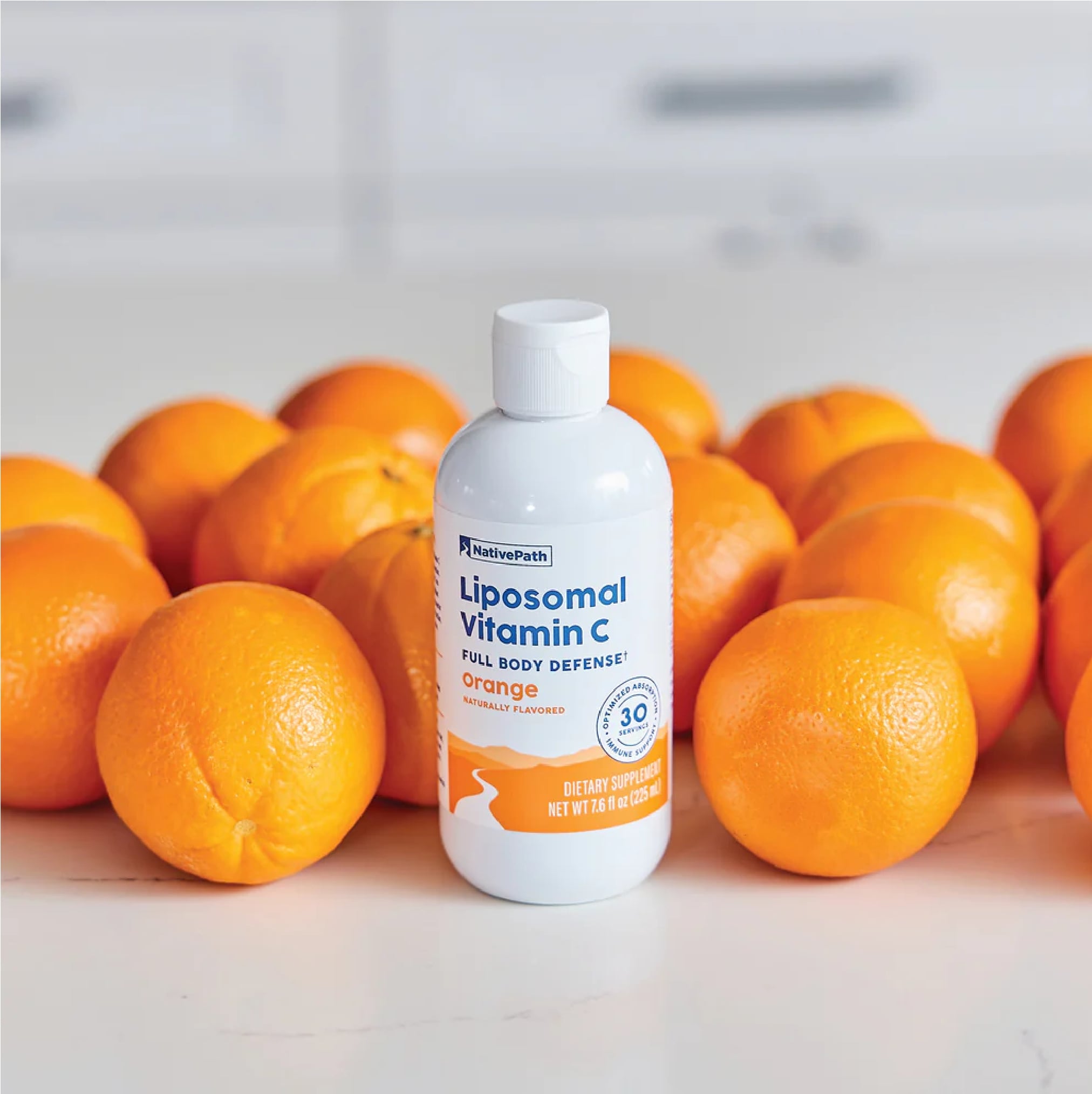
NativePath Liposomal Vitamin C: Advanced Immune and Antioxidant Support
This comprehensive guide explores NativePath Liposomal Vitamin C, a cutting-edge nutritional supplement that leverages advanced liposomal technology to enhance the bioavailability and effectiveness of vitamin C. From understanding vitamin C’s crucial role in human health to the scientific evidence supporting liposomal delivery systems, this document provides detailed insights into why NativePath’s unique formulation represents a superior choice for optimal immune support, antioxidant protection, and overall wellness.
The Essential Role of Vitamin C in Human Health
NativePath Liposomal Vitamin C (ascorbic acid) stands as one of the most critical nutrients for human health, yet uniquely, humans cannot synthesize it internally. This inability stems from our evolutionary loss of the enzyme gulonolactone oxidase, making dietary intake our only source of this essential vitamin. As a water-soluble nutrient, vitamin C cannot be stored long-term in the body, necessitating regular consumption to maintain optimal health.
Beyond its well-known immune-supporting properties, vitamin C serves multiple vital functions in the body. It acts as a powerful antioxidant, neutralising harmful free radicals and protecting cells from oxidative damage. Additionally, it plays a crucial role in collagen synthesis—the protein essential for skin elasticity, wound healing, and the structural integrity of blood vessels, tendons, ligaments, and bones.
Immune Function
Supports neutrophil activity, phagocytosis, and overall immune cell function, providing critical defence against pathogens and infections.
Neurotransmitter Production
Facilitates the synthesis of neurotransmitters like norepinephrine and dopamine, essential for proper neurological function and mental health.
Iron Absorption
Enhances the absorption of non-haem iron from plant sources, helping prevent iron deficiency anaemia and supporting overall energy levels.
Whilst the Recommended Daily Allowance (RDA) for vitamin C is relatively modest at 75-90 mg/day, research indicates that higher intakes of 400-500 mg/day may provide optimal benefits, particularly for immune function and antioxidant protection. Deficiency can lead to scurvy, characterised by bleeding gums, poor wound healing, and increased susceptibility to infections—highlighting the critical importance of adequate vitamin C intake.
Challenges in Vitamin C Absorption and Stability
Despite vitamin C’s critical importance, obtaining and absorbing adequate amounts presents several significant challenges. One major obstacle is the inherent instability of vitamin C in aqueous environments. This water-soluble vitamin is highly susceptible to degradation when exposed to heat, light, oxygen, and alkaline conditions. Consequently, vitamin C content in foods can diminish substantially during cooking, processing, and storage, reducing the amount available from dietary sources.
Water-Solubility Limitations
Vitamin C’s hydrophilic nature makes it incompatible with the lipid-based cell membranes it must cross to enter cells. This fundamental characteristic creates a biological barrier that limits cellular uptake and reduces the vitamin’s overall effectiveness.
Digestive Degradation
When consumed orally, vitamin C encounters harsh gastric conditions, including stomach acid and digestive enzymes, which can break down a significant portion before absorption. The intestinal absorption mechanisms also become saturated at higher doses, limiting how much can enter the bloodstream.
Dose-Dependent Absorption
The efficiency of vitamin C absorption decreases as dosage increases. Studies show that when taking 1,000 mg in a single dose, absorption rates may fall to as low as 20%, meaning 800 mg might be excreted unused—an inefficient and costly outcome for consumers.
These absorption challenges explain why plasma levels of vitamin C often fail to increase proportionally with increased oral supplementation. Even high-dose conventional supplements may not achieve optimal tissue saturation due to these fundamental bioavailability limitations, highlighting the need for more efficient delivery systems.
Liposomal Technology – A Breakthrough in Vitamin C Delivery
Liposomal technology represents a revolutionary advance in nutrient delivery, specifically addressing the bioavailability challenges that have long limited vitamin C supplementation. At the core of this innovation are liposomes—microscopic vesicles composed of phospholipids arranged in bilayers that closely resemble human cell membranes. These sophisticated structures feature a hydrophilic (water-loving) head and hydrophobic (water-repelling) tail, allowing them to encapsulate water-soluble compounds like vitamin C within their protective interior.
Gastrointestinal Protection
Liposomes shield vitamin C from the harsh conditions of the digestive tract, including stomach acid, digestive enzymes, and the competitive absorption environment of the small intestine. This protection prevents degradation and allows a significantly higher percentage of the vitamin to reach circulation intact.
Enhanced Cellular Delivery
The phospholipid bilayer of liposomes can directly fuse with cell membranes, facilitating direct intracellular delivery of vitamin C. This process bypasses the usual cellular transport limitations, allowing vitamin C to reach higher intracellular concentrations than would otherwise be possible.
NativePath’s Superior Phospholipid Source
Unlike many liposomal products that use soy or sunflower lecithin, NativePath employs egg yolk lecithin in its formulation. This choice offers distinct advantages:
- Higher phosphatidylcholine content, improving liposome stability
- Better compatibility with biological membranes
- Enhanced encapsulation efficiency
- Avoidance of common soy allergens and concerns
- Superior protection of the encapsulated vitamin C
This sophisticated delivery system effectively addresses the fundamental limitations of conventional vitamin C supplements, representing a significant advancement in nutritional science that directly translates to superior health outcomes for consumers.
NativePath Liposomal Vitamin C – Unique Formulation and Ingredients
NativePath Liposomal Vitamin C distinguishes itself through a meticulously crafted formulation that prioritises both efficacy and quality. At the heart of the product is its high-potency vitamin C content—500 mg per serving—derived not from synthetic ascorbic acid but from Amla fruit (Phyllanthusemblica L.), also known as Indian Gooseberry. This natural source provides not only vitamin C but also complementary compounds that enhance its overall effectiveness.
Primary Active Ingredients
- Vitamin C (from Amla fruit) – 500 mg per serving
- Egg yolk lecithin – providing phospholipids essential for liposomal structure
Supporting Ingredients
- Palm glycerin – natural stabiliser
- Purified water – base liquid
- Natural flavour – improves palatability
- Prolong 2.0™ – natural preservative system
Flavour & pH Balance
- Monk fruit extract – natural sweetener with zero glycaemic impact
- Sodium citrate – pH buffer to stabilise vitamin C
- Sodium bicarbonate – helps maintain optimal pH
Quality Assurance and Manufacturing Excellence
NativePath maintains rigorous quality standards throughout production. The product is manufactured in a cGMP-certified facility in the United States, ensuring adherence to stringent quality control protocols. Each batch undergoes comprehensive third-party testing to verify potency, purity, and safety.
Allergen Information: Contains egg. Processed in a facility that also handles milk, eggs, fish, shellfish, tree nuts, peanuts, wheat, and soy. This transparency is essential for consumers with specific dietary restrictions or allergies.
The formulation strikes an optimal balance between effectiveness and sensory experience, delivering therapeutic amounts of vitamin C in a pleasant-tasting liquid that avoids the common pitfalls of traditional supplements, such as digestive discomfort and poor absorption.
Scientific Evidence Supporting Liposomal Vitamin C Bioavailability
The superior efficacy of liposomal vitamin C is supported by a growing body of scientific research. A landmark 2023 randomised, double-blind clinical trial demonstrated compelling evidence for the enhanced bioavailability of liposomal delivery. This study showed that equivalent doses of liposomal vitamin C increased plasma vitamin C levels by 27% compared to standard supplements, with leukocyte (white blood cell) concentrations rising by an impressive 20%.
These findings build upon earlier research published in the Journal of Nutritional Science, which established that liposomal encapsulation significantly improves vitamin C absorption and retention. The data consistently demonstrates that liposomal vitamin C maintains higher plasma concentrations over extended periods—up to six hours post-consumption—providing sustained antioxidant protection and cellular uptake.
Enhanced Plasma Concentration
Comparative pharmacokinetic studies show liposomal vitamin C achieves higher maximum plasma concentrations (Cmax) and greater area under the curve (AUC) measurements—both critical indicators of improved bioavailability.
Improved Cellular Uptake
Research demonstrates increased vitamin C concentration in leukocytes, confirming enhanced cellular delivery—a crucial factor for immune function and antioxidant protection where vitamin C performs its most vital roles.
Synergistic Benefits
The phosphatidylcholine in liposomes provides independent health benefits, including reduction of oxidative DNA/RNA damage and improved cell membrane fluidity, complementing vitamin C’s antioxidant actions.
This compelling scientific validation establishes liposomal delivery as significantly superior to conventional supplementation methods, offering consumers tangible advantages in both absorption efficiency and therapeutic outcomes.
Antioxidant and Immune Benefits of NativePath Liposomal Vitamin C
NativePath Liposomal Vitamin C delivers profound antioxidant and immune-supporting benefits that surpass conventional supplements, owing to its superior bioavailability and synergistic formulation. At the core of these benefits is vitamin C’s remarkable ability to neutralise reactive oxygen species (ROS) and free radicals—unstable molecules that damage cells through oxidative stress.
Neutralises Free Radicals
Vitamin C donates electrons to neutralise harmful free radicals, preventing them from damaging cellular DNA, proteins, and lipids. This protective action helps prevent premature ageing and reduces risk factors for chronic diseases.
Enhances Immune Cell Function
Vitamin C accumulates in phagocytic cells (like neutrophils) at up to 100x higher concentrations than in plasma, supporting their pathogen-destroying capabilities through improved mobility, phagocytosis, and microbial killing.
Promotes Tissue Integrity
As an essential cofactor in collagen synthesis, vitamin C maintains the integrity of skin, blood vessels, and connective tissues—creating physical barriers against pathogen entry and supporting wound healing.
Modulates Inflammation
Vitamin C helps regulate the inflammatory response, reducing excessive inflammation that can damage healthy tissues while preserving necessary immune reactions against pathogens.
The Amla Advantage
NativePath’s use of Amla fruit extract as its vitamin C source provides additional benefits beyond isolated ascorbic acid. Amla contains a complex of bioflavonoids, tannins, and phenolic compounds that work synergistically with vitamin C to enhance its stability and effectiveness. These complementary compounds contribute to broader antioxidant protection and tissue support.
The liposomal delivery system ensures these beneficial compounds reach their cellular targets intact, maximising both immediate and long-term protective effects against oxidative stress and immune challenges.
Cardiovascular and Cognitive Health Implications
Cardiovascular Protection
Research indicates that vitamin C supplementation above 400 mg daily correlates with approximately 30% reduction in cardiovascular disease risk. NativePath Liposomal Vitamin C supports heart health through multiple mechanisms:
- Promotes nitric oxide production, improving endothelial function and vasodilation
- Helps reduce systolic and diastolic blood pressure in hypertensive individuals
- Prevents oxidation of LDL cholesterol, a key step in atherosclerosis development
- Supports collagen formation in arterial walls, maintaining vascular integrity
- Reduces inflammatory markers associated with cardiovascular risk
Cognitive Function and Neuroprotection
The brain maintains among the highest vitamin C concentrations in the body, indicating its critical importance for neurological function. Liposomal vitamin C offers enhanced delivery across the blood-brain barrier, providing several cognitive benefits:
- Protects neurons from oxidative damage linked to cognitive decline
- Supports neurotransmitter synthesis and regulation
- May reduce amyloid-beta accumulation associated with Alzheimer’s disease
- Helps maintain blood-brain barrier integrity
Reduced CVD Risk
Research shows vitamin C supplementation above 400 mg/day correlates with approximately 30% reduction in cardiovascular disease risk.
Improved Blood Flow
Studies demonstrate vitamin C supplementation can improve endothelium-dependent vasodilation by up to 14%, enhancing circulation.
Brain Concentration
The brain maintains vitamin C concentrations up to 50 times higher than plasma levels, highlighting its critical importance for neurological function.
These cardiovascular and cognitive benefits illustrate how NativePath Liposomal Vitamin C supports holistic health beyond basic immune function, addressing multiple aspects of health maintenance and disease prevention.
Practical Usage and Dosage Recommendations
NativePath Liposomal Vitamin C has been formulated for optimal effectiveness with convenient daily administration. The recommended dosage is ½ tablespoon (7.5 mL) once daily, providing 500 mg of vitamin C per serving. Each bottle contains 225 mL, supplying a full 30-day supply when used as directed.
Administration Methods
The supplement can be taken directly by mouth or mixed with water or juice. For optimal absorption, it’s best consumed on an empty stomach, at least 15 minutes before meals. However, those with sensitive stomachs may prefer taking it with food.
Storage Guidelines
Store the bottle in a cool, dry place away from direct sunlight. Refrigeration after opening is recommended but not required. Shake well before each use to ensure the liposomes are properly dispersed throughout the liquid.
Consistency is Key
For maximum benefit, take NativePath Liposomal Vitamin C daily. Consistent use allows for maintained tissue saturation and ongoing antioxidant protection. Consider setting a regular time each day to incorporate it into your routine.
Dosage Considerations and Safety
The 500 mg daily dose aligns with scientific recommendations for optimal health support. This amount exceeds the basic RDA but falls well within safety parameters, as vitamin C has very low toxicity even at much higher doses. The Tolerable Upper Intake Level is set at 2,000 mg daily, though research suggests safety up to 3,000 mg with minimal side effects.
Due to the enhanced bioavailability of the liposomal delivery system, the 500 mg dose in NativePath’s formula provides effective tissue saturation comparable to much higher doses of conventional vitamin C—making it both more efficient and gentler on the digestive system.
During periods of increased need—such as during illness, intensive physical activity, or high stress—the dosage may be temporarily increased to twice daily (1,000 mg total) for additional support.
Consumer Experience and Quality Assurance
NativePath maintains exceptional quality standards throughout the production process of its Liposomal Vitamin C. The supplement is manufactured in a cGMP-certified facility in the United States, ensuring adherence to rigorous quality control protocols at every stage—from raw material selection to final packaging.
Each batch undergoes comprehensive third-party testing to verify potency, purity, and safety. This testing includes:
- Verification of vitamin C content to ensure label accuracy
- Assessment of liposome integrity and size distribution
- Screening for potential contaminants including heavy metals
- Microbial testing to ensure product safety
- Stability testing to confirm shelf-life claims
Sensory Experience and Palatability
Unlike many vitamin C supplements that can be unpleasantly acidic or bitter, NativePath has carefully crafted its liposomal formula for a superior taste experience. The use of natural flavours and monk fruit extract provides a pleasant taste without added sugars or artificial sweeteners. This attention to palatability significantly improves compliance with daily supplementation regimens.
Allergen Considerations
NativePath’s choice of egg yolk lecithin rather than soy lecithin helps consumers avoid one of the most common food allergens. However, the product is processed in a facility that handles multiple allergens, so those with severe allergies should review the complete allergen statement.
Environmental Commitment
NativePath demonstrates environmental responsibility through sustainable sourcing practices, minimal packaging waste, and energy-efficient manufacturing processes. The company’s commitment to ethical production extends throughout its supply chain.
Consumer Support
Comprehensive product support includes detailed usage instructions, responsive customer service, and educational resources about vitamin C benefits. NativePath’s dedicated team is available to address questions and provide guidance on optimal supplement use.
This meticulous attention to quality, taste, and consumer experience reflects NativePath’s commitment to delivering premium supplements that stand apart in the marketplace and earn consumer trust through tangible quality differences.
Comparative Advantages Over Conventional Vitamin C Supplements
Superior Bioavailability
Clinical studies demonstrate liposomal vitamin C is approximately 1.77 times more bioavailable than standard oral vitamin C, resulting in higher plasma levels and enhanced cellular uptake.
Reduced GI Distress
Conventional high-dose vitamin C often causes digestive discomfort, diarrhoea, and kidney stone risk in sensitive individuals. Liposomal delivery bypasses these issues, allowing higher effective doses without gastrointestinal side effects.
Cost-Effectiveness
While liposomal products have a higher upfront cost, their superior absorption means lower doses provide equivalent or better results than larger doses of conventional supplements—offering better value per absorbed milligram.
Enhanced Cellular Delivery
Liposomes facilitate direct fusion with cell membranes, delivering vitamin C directly into cells where it’s needed most for immune function and antioxidant protection.
The natural Amla fruit source in NativePath’s formula provides additional advantages over synthetic ascorbic acid found in most conventional supplements. Amla contains complementary compounds that work synergistically with vitamin C, including bioflavonoids, tannins, and other phytonutrients that enhance its stability and effectiveness.
Together, these comparative advantages establish NativePath Liposomal Vitamin C as a superior choice for consumers seeking maximum benefit from their vitamin C supplementation, particularly during periods of increased need such as seasonal immune challenges, stress, or intensive physical activity.
Emerging Research and Future Directions
The field of liposomal nutrient delivery continues to evolve rapidly, with promising research expanding our understanding of vitamin C’s therapeutic potential when delivered through advanced systems like those used in NativePath’s formulation. Several exciting areas of investigation are currently underway that may further enhance the value of liposomal vitamin C supplementation.
Cancer Therapy Support
Emerging research explores how high-dose vitamin C delivered via liposomes may complement conventional cancer treatments by selectively targeting cancer cells through pro-oxidant mechanisms while supporting healthy cell function.
Antiviral Applications
Studies are investigating liposomal vitamin C’s potential to inhibit viral replication and enhance immune response against various pathogens, with implications for both prevention and therapeutic support during infections.
Epigenetic Regulation
Researchers are examining how vitamin C influences gene expression through epigenetic mechanisms, potentially explaining its broad effects on immune function and cellular health beyond direct antioxidant activity.
Technological Advancements in Liposomal Delivery
Parallel to the research on vitamin C’s effects, technological innovations in liposomal delivery continue to emerge. These advancements focus on enhancing stability, targeting capabilities, and synergistic formulations:
Stability Enhancements
New approaches to stabilising liposomes are being developed, including the use of advanced preservative systems and structural modifications that extend shelf life without refrigeration and maintain integrity in various environmental conditions.
Targeted Delivery
Research into liposomes with specific targeting mechanisms that direct nutrients to particular tissues or cell types could further enhance therapeutic efficacy and efficiency, allowing for even more precise nutrient delivery.
Synergistic Formulations
Combining vitamin C with complementary nutrients like quercetin, zinc, or vitamin D in multi-nutrient liposomal formulations may offer enhanced benefits through synergistic interactions that amplify overall effectiveness.
NativePath’s commitment to scientific innovation positions it at the forefront of these developments. The company actively monitors emerging research and technological advancements, ensuring its formulations continue to reflect the latest understanding of optimal nutrient delivery systems and provide consumers with cutting-edge nutritional solutions.
Conclusion: NativePath Liposomal Vitamin C – A Superior Choice for Optimal Health
Premium Quality
Natural Amla-derived vitamin C in a liposomal delivery system
Enhanced Bioavailability
1.77× better absorption than conventional vitamin C supplements
Comprehensive Health Support
Immune function, antioxidant defence, cardiovascular and cognitive health
Scientific Validation
Research-backed formulation with clinical evidence supporting enhanced efficacy
Trusted Manufacturing
Made in the USA in cGMP-certified facilities with third-party testing for quality assurance
NativePath Liposomal Vitamin C represents a significant advancement in nutritional supplementation, offering a scientifically validated solution to the long-standing challenges of vitamin C absorption and utilisation. By combining naturally-derived vitamin C from Amla fruit with sophisticated egg yolk liposomal technology, NativePath has created a premium supplement that delivers measurably superior results compared to conventional vitamin C formulations.
The evidence-based advantages of this innovative approach include enhanced bioavailability, improved cellular delivery, reduced gastrointestinal side effects, and sustained plasma levels—all contributing to more effective support for immune function, antioxidant protection, cardiovascular health, and cognitive wellbeing.
For individuals seeking to optimise their vitamin C intake and experience its full spectrum of health benefits, NativePath Liposomal Vitamin C stands as the clear choice—combining cutting-edge nutritional science with impeccable quality standards to deliver a supplement worthy of trust and confidence.
As research continues to expand our understanding of vitamin C’s critical roles in human health and the advantages of advanced delivery systems, NativePath remains committed to incorporating these insights into its formulations, ensuring that consumers receive the most effective and scientifically sound nutritional support available.